
What fish is in your Omega-3 supplement, and why does it matter?
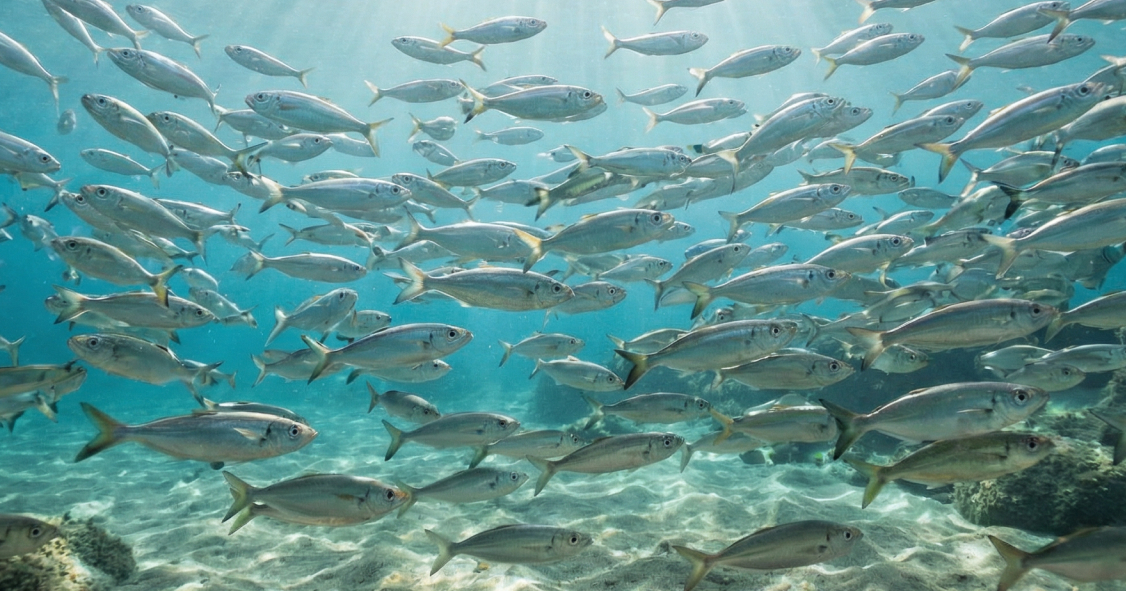
Do you ever wonder where the Omega-3s in our BalanceOil come from? Do you know why small, fatty fish are more nutritious than large, lean fish? How about all the toxins in the sea, and what will best keep fish oil from going rancid? Perhaps you’re unsure about the difference between fish oil and cod liver oil? Fret no more.
It’s inevitable. Each time we open our phones, we are inundated with the latest tips, tricks and go-to lists on how to stay happy and healthy. Amid the constant clutter of often unsolicited advice, the uniquely potent health benefits of Omega-3, this natural substance found in fatty fish, seafood, walnuts and seeds, remain the same, literally unparalleled. But not all Omega-3s are created equal, and most of us aren’t getting nearly enough of the ones that matter
To help support normal heart and brain functions, adults need about 2 grams of EPA and DHA daily; the two main sources of Omega-3 fats in our diet. It might not seem like a lot, but it’s truly a tall order to eat at least one serving of fatty fish, such as sardines, anchovies, mackerel, salmon or a mixed diet with flax seeds and walnuts, every day. Not to mention the costs associated with eating high-quality, nutritious fish. Adding insult to injury, there’s the environmental aspect too. There’s simply not enough fish left in the sea to source ethically and sustainably to feed all people on the planet. Is it any wonder that over 500 million of us turn to Omega-3 supplements to ensure we get enough of these essential nutrients? Unfortunately, most supplements have no scientific methods to prove their effect, so we all need to do our due diligence before deciding which one to bridge the gap of this essential nutrient.
Not all Omega-3s are created equal
The average human body is composed of approximately 37 trillion cells. Virtually all of them depend on the Omega-3 fats EPA and DHA to run smoothly. EPA is linked to heart health and normal cell function, while DHA is particularly known for its importance in the brain and our vision. These two active ingredients cannot be made in the body in sufficient amounts and must be consumed from dietary sources such as fish. Fish oil with higher levels of marine EPA and DHA from the tissue of oily fish is the most potent, and the ideal ratio for optimal human health is 20/10. But you need to check the label at the back of the bottle carefully. The amount of total fish oil in the bottle doesn’t automatically mean that it comes only from EPA and DHA. There are more than 10 different Omega-3 fatty acids out there. To get the right nutrient levels, the total amount of these two particularly potent, active ingredients should equal at least 1000-2000 mg.
Small, fatty fish have the biggest benefits
The best method to ensure the highest and purest concentration of EPA and DHA is to check which fish the Omega-3s in your supplement has been sourced from. While most fish are excellent protein options, small, wild-caught oily fish have the highest beneficial Omega-3 content and consequently the most heart, brain, eye, and overall health benefits. Research from the London School of Hygiene & Tropical Medicine emphasizes the high levels of DHA and EPA in small oily fish like mackerel, sardines and mackerel. These fish make a more nutrient-dense option than large, lean fish such as cod, and they are noted for their superior nutrient profiles, contributing significantly to cardiovascular health, cognitive function, and overall cellular health. Besides their high levels of potent Omega-3s, sardines and anchovies are also rich in other essential nutrients like calcium, iron, and potassium. These fish are also the most abundant in the sea, making them a more sustainable choice for regular consumption when compared to larger fish.
Tested for toxins
There are other reasons why small, fatty fish is a better source when you decide to supplement with Omega-3. As our oceans experience more pressure from pollution, all fish oil will carry toxins such as mercury and other heavy metals. These environmental contaminants are considered oxidants, and they are detrimental to your health, attacking healthy cells and causing illness and disease. Small fish are at the bottom of the food chain and accumulate fewer toxins which naturally enhance their safety and purity as a source of Omega-3, enabling a milder refining process. Regardless, you should always pick an Omega-3 supplement where the crude fish oil is documented as rigorously purified from heavy metals, including the removal of plastic residuals called phthalates. Not every manufacturer performs this step to ensure the purity and potency, even though phthalates are carcinogenic and disrupt hormones. If they have carried out this check, it will be clearly displayed on the bottle!
The difference between cod liver oil and fish oil
Both pure fish oil and cod liver oil are excellent sources of Omega-3. However, you need to keep in mind that cod is a large, lean fish primarily sourced for its high content of vitamins A and D. The Omega-3 must be extracted from the liver and head of the cod. Pure fish oil is extracted from the tissue of fatty fish such as anchovies, sardines, and mackerel which are known for having the highest and purest concentration of Omega-3. There’s EPA and DHA in both oils, but in different ratios. Arctic cod liver oil has about 9% EPA and 14% DHA, whereas pure fish oil provides about 18% EPA and 12% DHA. The highest quality is fish oil grade 20/10, which is an optimal ratio to meet your daily, recommended dose of these fatty acids. Also, the very high levels of vitamins A and D in cod liver oil can cause health problems over time. Due to these high levels, cod liver oil should not be consumed during pregnancy. In purified fish oils, vitamin A is removed, enabling high quantities of Omega-3 to be consumed without risking vitamin A toxicity.
Healthy fish facts
- Mackerel is an incredible source of Omega-3 with over 2,200mg per serving.
- Sardines pack 800 mg per serving and salmon has a whopping 1200 mg per serving.
- Cod is a lean fish and wonderful for healthy eating and comes with an Omega-3 content of just over 100 mg per serving.
Keep the fish oil fresh
All fish oil will eventually go rancid and lose its quality. That is why the purification and refining process needs to keep oxidation to a minimum and be meticulously measured, in order to preserve the highest level of potency in the oil. A stable oxidation process gives the Omega-3 nutrients in the oil more time to enter the cells in your body and start supporting heart, brain and immune function. There are several ways to slow down the oxidation in fish oil, increase shelf-life and improve quality. Adding antioxidants is one method but stay clear of formulas with synthetic antioxidants such as TBHQ and ascorbyl palmitate as these may counteract the health-promoting properties of the fatty acids. Go for a supplement fortified with natural antioxidants such as naturally mixed tocopherols, vitamin E, or extra virgin olive oil from early-harvested olives known for their powerful content of polyphenols. These bioactive micronutrients with their extremely potent antioxidant properties are naturally engineered to keep the Omega-3s fresh and potent enough to safely restore the essential fatty acid balance in the body.
Closer to oily fish than fish oil
In nature, polyphenols and Omega-3 always go together, and as such they are naturally bound to one another inside fish. Unfortunately, in the fish oil purification and refining process where all the environmental toxins are removed, the polyphenols are lost too. Early-harvest olives are the plant-based equivalent to the antioxidants naturally found in fish. By adding polyphenols from olive oil to the fish oil formula, the synergy is restored. Zinzino’s BalanceOil+ is a pure, all-natural Polyphenol Omega Balance food supplement. It is Friend of the Sea-certified, with Omega-3 in its natural (unaltered triglyceride) form. The synergistic blend is based on fish oil sustainably sourced from small, wild-caught Pacific and Atlantic Ocean fish. BalanceOil+ is fortified with vitamin D, and natural antioxidants from cold-pressed, extra virgin olive oil and vitamin E are added to keep the nutrients stable and protected all the way from fish to bottle to body. The result is a product that is actually closer to oily fish than fish oil, and Zinzino’s independently managed fatty acid blood spot test proves it in writing for you. Explore the proprietary range of BalanceOils+ and portfolio of health tests at Zinzino.com
Key takeaways
• A supplement with Omega-3 should be fresh and free from toxins. Natural, high-grade fish oil based on sustainably sourced small, wild-caught oily fish like sardines, anchovies and mackerel have the highest concentrations of the Omega-3s EPA and DHA. The oil is also naturally purer as these fish are lower in the food chain compared to larger fish which means they accumulate fewer toxins such as mercury and other heavy metals.
• Keep an eye on what measures have been made to keep the fish oil from going rancid too soon. A synergistic blend of fish oil and cold-pressed, extra virgin olive oil will naturally stabilize oxidation, prolong the fish oil shelf-life, and consequently enhance the absorption of Omega-3s in your body.
• Since cod is a large, lean fish the Omega-3s must be extracted from the liver and head of the cod. Hence, the EPA and DHA ratio in cod liver oil is different than pure fish oil from the flesh of small, oily fish, and the oil contains less EPA. You also need to ensure the oil has been properly purified since cod and other large fish accumulate more toxins from the sea.
• Cod liver oil is primarily sourced for its very high content of vitamins A and D. You need to be careful not to overdose and to avoid vitamin A toxicity in particular. Pure fish oil delivers higher doses of EPA and DHA and can be taken in larger doses without the concern of overdosing on fat-soluble vitamins.